

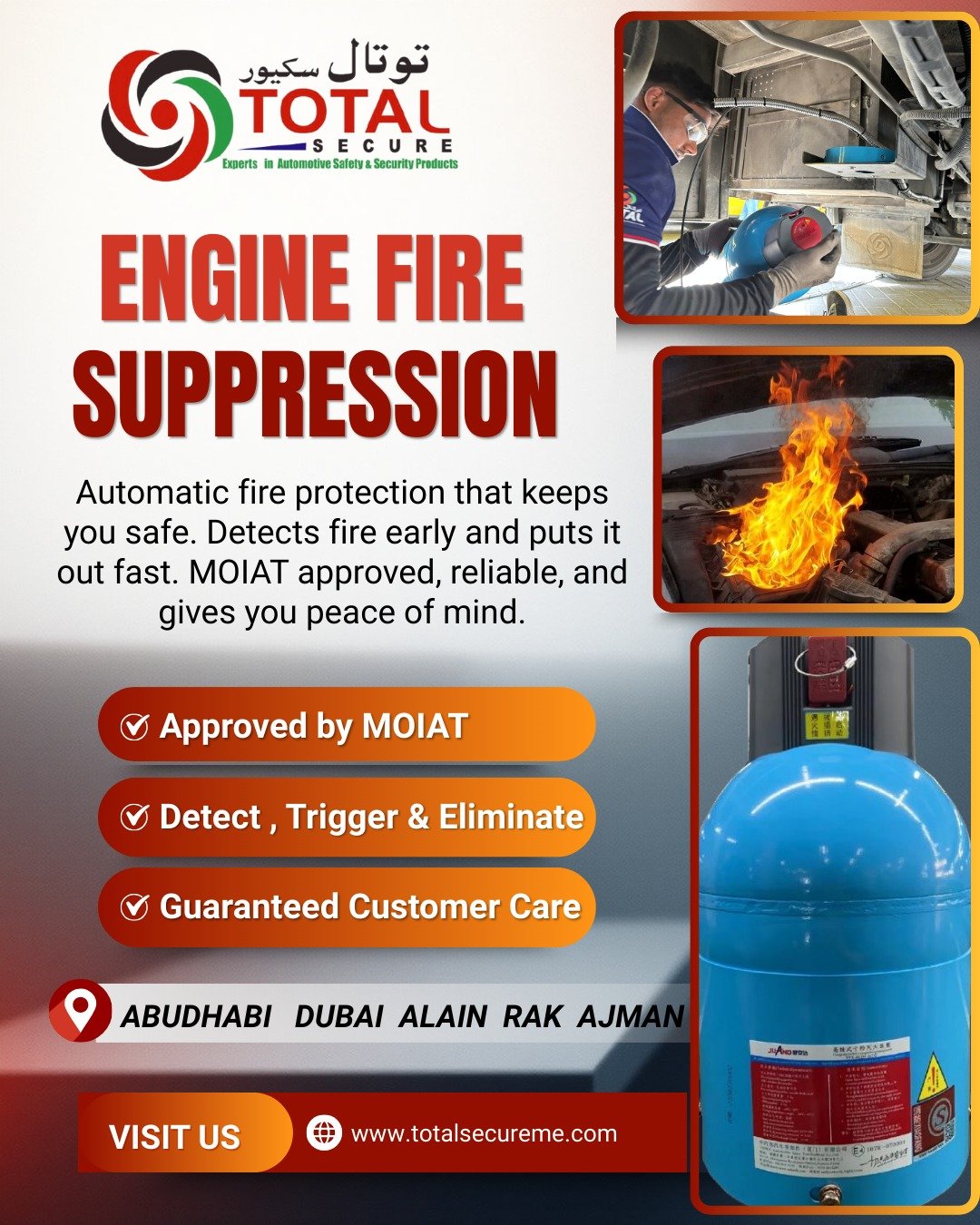
1. System Overview and Description
To mitigate fire risks associated with vehicle engine compartments and to ensure the highest level of operational safety, an automatic, self-contained fire suppression system is installed within the engine compartment of the vehicle. The system is specifically engineered to provide early fire detection, immediate automatic activation, alarm notification, and rapid fire extinguishment without reliance on external power sources.
The system operates as a fully integrated, non-electric fire protection solution, ensuring uninterrupted functionality even in the event of vehicle electrical failure, collision, or battery disconnection. This design significantly enhances system reliability and operational safety under all driving, parking, and emergency conditions.
1.1 System Components and Configuration
The fire suppression system consists of the following major components, each designed and installed in accordance with applicable regulatory standards:
a) Non-Electric Self-Starting Fire Detection Device
This device continuously monitors the temperature within the engine compartment. Upon detecting abnormal temperature rise or direct flame exposure indicative of a fire event, the detector automatically initiates the system activation .
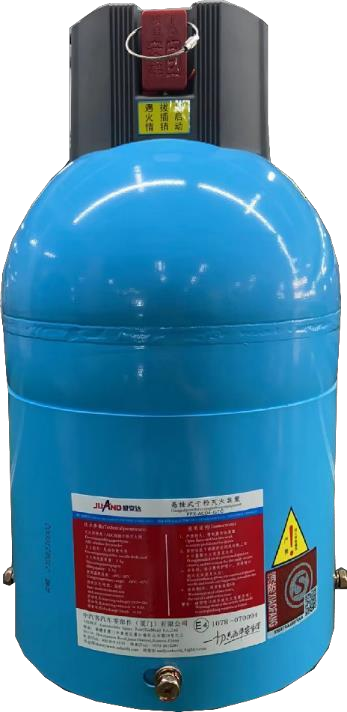
b) Hanging Dry Powder Fire Extinguishing Device
The hanging dry powder extinguisher is mounted in a strategic position within the engine compartment to ensure optimal coverage of fire-prone areas. The extinguisher contains a certified quantity of ABC ultrafine dry powder agent, designed for rapid dispersion upon activation.
c) Manual Activation and Alarm Switch
In addition to automatic operation, the system is equipped with a manual activation and alarm switch. This allows the driver or authorized personnel to manually initiate fire suppression and activate the alarm in case of suspected fire or emergency conditions.
d) Fire Extinguishing Agent Delivery Pipe Network
A robust piping network is installed to distribute the extinguishing agent uniformly throughout the engine compartment. The pipe layout and nozzle positioning ensure effective agent discharge to critical fire risk zones, including fuel lines, turbochargers, electrical wiring, and lubricating oil components.
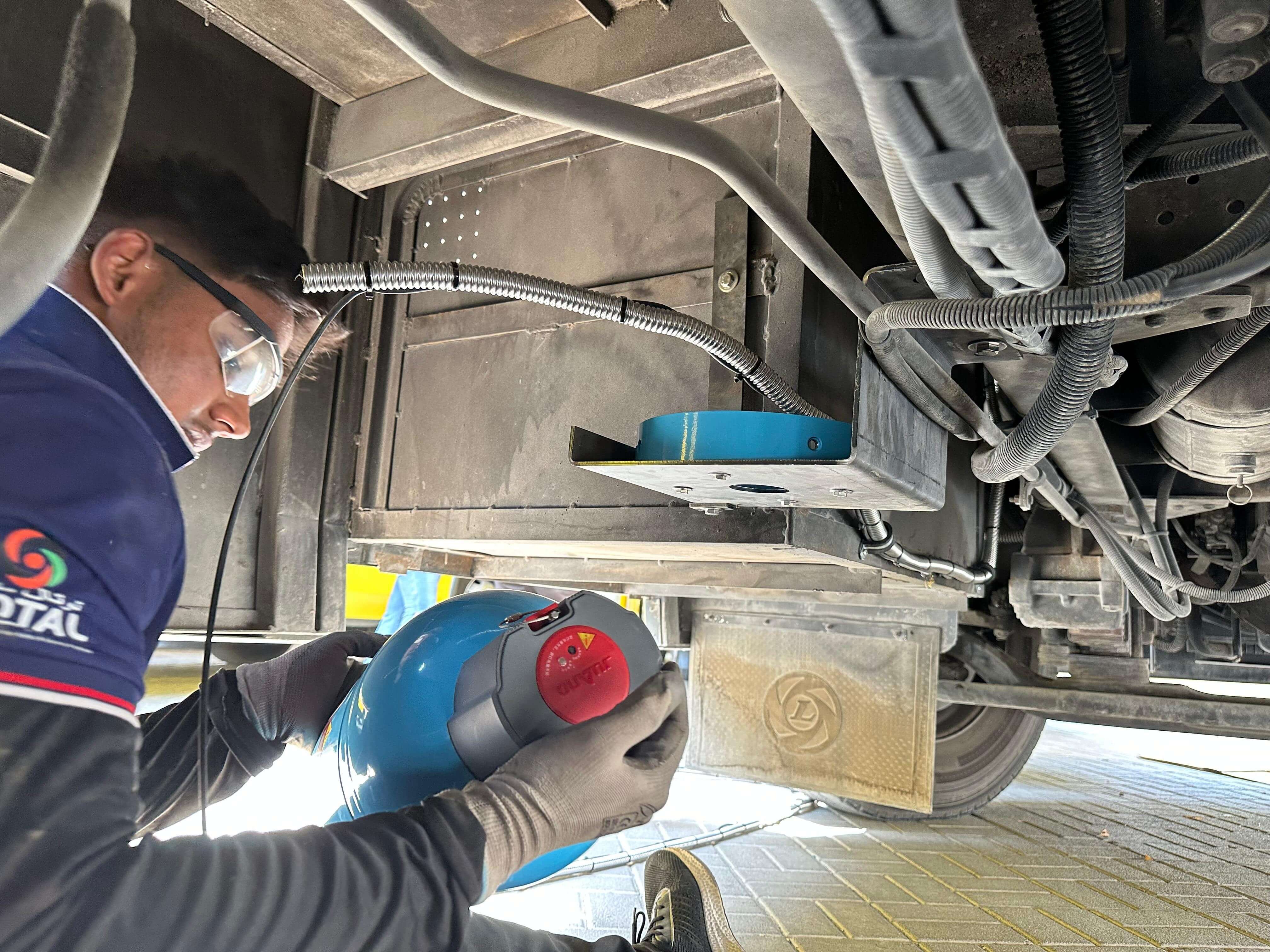
e) Mounting, Protection, and Auxiliary Accessories
All system components are secured using corrosion-resistant mounting brackets and protective housings. These accessories ensure mechanical stability, resistance to vibration, heat, and environmental exposure, and long-term system reliability.
2. Fire Extinguishing Agent Characteristics
Extinguishing agent type: ABC ultrafine dry powder
Fire classification coverage:
Class A – fires involving solid combustible materials
Class B – fires involving flammable liquids and oils
Class C – fires involving energized electrical equipment
The ultrafine dry powder agent is selected for its high suppression efficiency, rapid flame knockdown capability, and minimal re-ignition risk. It is suitable for suppressing fires originating from diesel fuel, engine oils, electrical short circuits, and accumulated combustible residues within engine compartments.
3.System Functional Performance
In the event of a fire within the engine compartment, the system performs the following operational sequence: Automatic Fire Detection: The non-electric detection device senses abnormal temperature rise or flame presence. Automatic System Activation: Upon detection, the system self-starts instantly without external power supply. Alarm Signal Generation: An alarm signal is generated to alert the driver and occupants of the fire condition. Agent Discharge and Fire Suppression: The ABC ultrafine dry powder agent is discharged rapidly through the pipe network, forming a fire-suppressing cloud that interrupts the combustion process. This integrated response ensures immediate fire suppression, limits fire propagation, and reduces the potential for structural damage, passenger injury, or secondary hazards.
4.Compliance with Standards and Regulatory Requirements
The fire suppression system is designed, manufactured, tested, and applied in full compliance with the following standards and regulations:
UAE.S 5041:2021 – Fire Suppression Systems for Engine Compartments of Buses and Coaches
GB 34655-2017 – Configuration Requirements for Fire Extinguishing Equipment for Passenger Vehicles
SASO 2946:2020 – Fire Protection Requirements for Public Transport Vehicles
XF 578-2023 – Ultrafine Dry Powder Fire Extinguishing Agent
XF 602-2013 – Hanging Dry Powder Fire Extinguishing Device
CECS 322:2012 – Technical Specification for Hanging Dry Powder Fire Extinguishing Devices
ECE R107 – Structural Certification of Large Passenger Vehicles
Application Scope and Environmental Operating Conditions
The fire suppression system is installed and applied in accordance with Annexure 08 of SASO 2946:2020 and UAE.S 5041:2021, under the following conditions:
5.1 Environmental Conditions
Ambient operating temperature: 5 °C to 55 °C
Relative humidity: 30% to 85%
5.2 Engine Compartment Parameters
Protected area: Vehicle engine compartment
Engine compartment volume range: 2 m³ to 6 m³
5.3 Engine Compartment Construction Characteristics
Ground construction: Hollowed
Remaining surfaces: Fully enclosed
Hollowed area proportion: Approximately 8% of total engine compartment area
The system design and agent quantity are validated to ensure effective fire suppression under the above spatial and structural conditions.
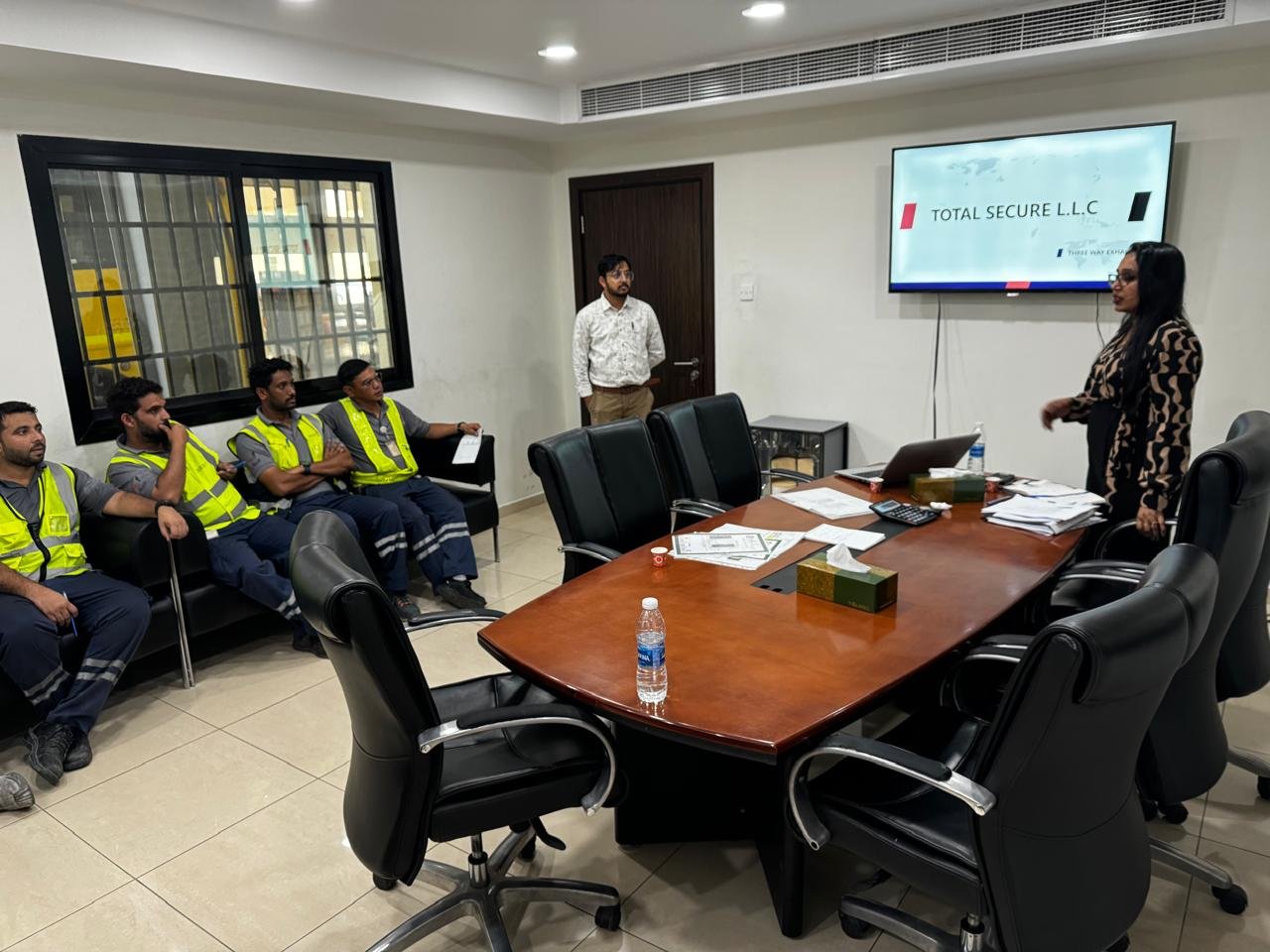
Well-Trained and Professional Installation Team
Our well-trained and professional installation team is experienced in fire suppression and fire suction fitting installations. They ensure every system is installed safely, correctly, and according to approved standards.
After installation, our team also provides after-care support, including system checks, guidance, and maintenance assistance to ensure long-term performance and reliability. We are committed to delivering quality service from installation to ongoing support, giving our clients complete peace of mind.

Successful Fire Suppression Testing at ESL Lab
Our team visited the ESL laboratory to witness and participate in a fire suppression system test. This test was conducted to evaluate system performance under controlled conditions and to ensure compliance with safety and quality standards.
During the session, our team closely observed the testing process and actively participated in the occasion, gaining valuable practical insights and hands-on experience. Their involvement reflects our strong commitment to understanding real-world system performance and continuously improving our fire safety solutions.



Comments
Comments functionality coming soon...
Leave a Comment